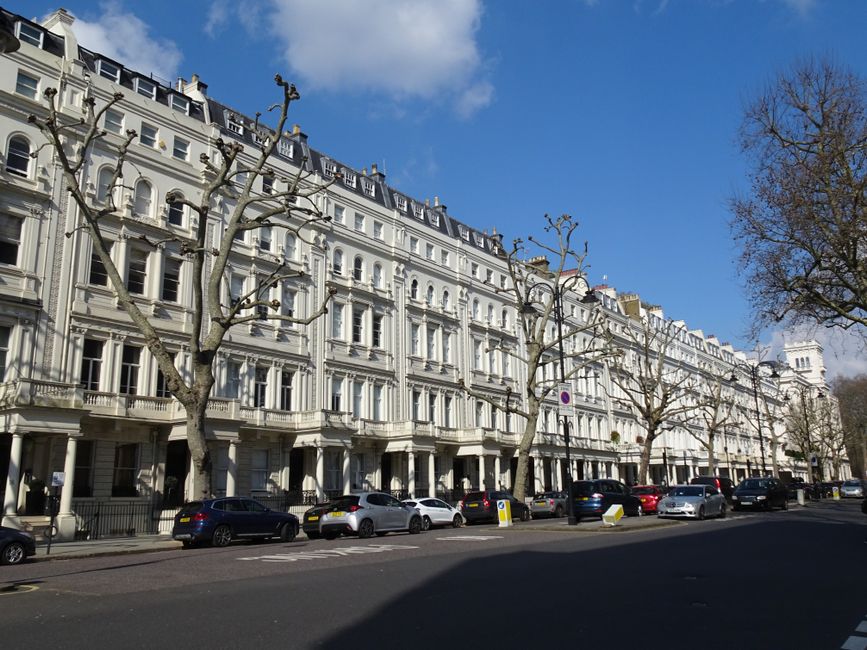
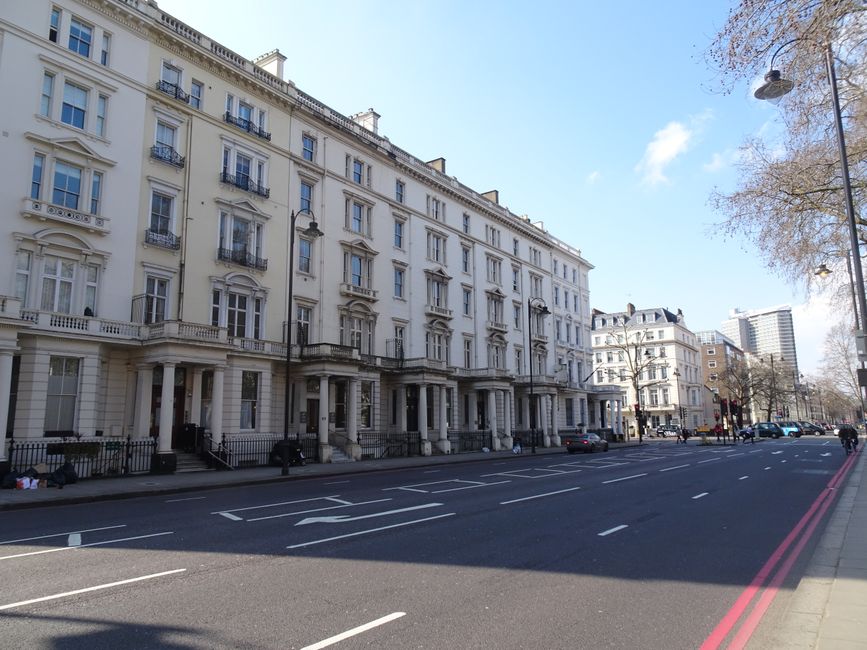
Westminster council removal rules for Bayswater flats: a practical guide for move day
If you are trying to work out Westminster council removal rules for Bayswater flats, you are probably dealing with one of those London moves where the details matter more than you first expected. Bayswater looks simple on a map. In real life? Tight streets, controlled parking, mansion blocks, narrow entrances, lift bookings, and neighbours who would very much like their hallway left alone, thanks. This guide breaks down what usually matters, what to check early, and how to avoid the last-minute scramble that can turn a move into an all-day headache.
Truth be told, a lot of moving stress in this part of West London comes down to permissions and timing rather than the heavy lifting itself. If you understand the building rules, local access constraints, and the practical side of unloading near Westminster streets, you are already halfway there. We will cover how the process works, who needs to pay attention, common mistakes, and the best way to plan a smooth flat removal without overcomplicating things.
Table of Contents
- Why Westminster council removal rules for Bayswater flats matters
- How Westminster council removal rules for Bayswater flats works
- Key benefits and practical advantages
- Who this is for and when it makes sense
- Step-by-step guidance
- Expert tips for better results
- Common mistakes to avoid
- Tools, resources and recommendations
- Law, compliance, standards, or best practice
- Options, methods, or comparison table
- Case study or real-world example
- Practical checklist
- Conclusion
- Frequently asked questions
Why Westminster council removal rules for Bayswater flats Matters
In Bayswater, a move is rarely just a matter of turning up with a van and getting on with it. Westminster streets can be busy, loading space is often limited, and many flats sit in converted townhouses or managed blocks where the building itself adds another layer of rules. That combination makes local planning important. Very important, actually.
The first thing to understand is that "council removal rules" often means a mix of public-road requirements and building-level rules. Westminster may control parking bays, waiting restrictions, and permits on the street. Your block or landlord may control lift bookings, move-in slots, protective coverings, and noise limits. Miss one of those pieces and the whole day can wobble.
This matters because removals are usually time-sensitive. If a van cannot stop close enough to the entrance, or if you arrive outside the agreed slot, you can lose time fast. In a busy area like Bayswater, that can mean extra labour, extra vehicle time, and a very frazzled afternoon. Nobody wants to be carrying a sofa through rain while the concierge taps their watch. Been there, seen that, not ideal.
It also matters for neighbour relations. A tidy, well-managed move tends to set the right tone in a shared building. A noisy, blocked corridor kind of does the opposite. Planning properly is not just about compliance; it is about being sensible and respectful in a place where lots of people share the same space.
Practical takeaway: the best Bayswater flat moves are usually the ones where the street access, building booking, and packing plan are all checked before moving day, not on the morning itself.
How Westminster council removal rules for Bayswater flats Works
There is no single universal "removal rule" that applies to every Bayswater flat. The process is more layered than that. Think of it as three overlapping checks: the council side, the building side, and the moving company side.
1. Council and street access
Westminster controls public highways and parking conditions in many parts of the area. For removals, the key question is usually: can the removal vehicle stop legally and safely close enough to the building? Depending on the street, that may involve restricted parking, timed loading areas, or bay suspensions. The specifics can vary quite a bit from one road to the next.
If your road is busy or heavily controlled, do not assume the van can just pull up and wait. That is the classic mistake. The street may look calm at 8am, but Bayswater traffic tends to have opinions of its own, especially later in the day.
2. Building or landlord rules
Many Bayswater flats sit in managed blocks or converted buildings with shared entrances. These often have their own move procedures. Common examples include:
- booking the lift in advance
- protecting communal floors and walls
- using designated move times
- providing notice to the managing agent
- agreeing where items can be staged temporarily
These rules are not just bureaucratic fluff. They protect the building and reduce disruption. If you have ever tried to pivot a wardrobe around a stair landing with a narrow turn, you will know why a little planning helps.
3. The mover's operating plan
A professional removal team should plan how to park, load, protect furniture, and sequence the move. In practical terms, they should ask about access, stairs, lift size, walk distance from van to door, and any restrictions on arrival time. That is the difference between a smooth run and a lot of back-and-forth.
If you are using a service like flat removals, the access conversation should happen early. A good mover will want the details before the day, not after the first box is already in the hallway.
What this looks like on move day
A normal Bayswater flat move might go like this: the van arrives during the allowed window, the crew checks the safest unload point, protective coverings are laid down if needed, and boxes are taken in a controlled sequence to avoid congestion. If parking is tight, the whole plan depends on good timing. A ten-minute delay can matter more than people expect.
And yes, sometimes the unexpected happens. A delivery truck blocks the road. A lift is stuck between floors. A neighbour needs to get through with a buggy. Welcome to London. A calm crew and a realistic schedule make all the difference.
Key Benefits and Practical Advantages
Following Westminster council removal rules for Bayswater flats is not just about avoiding trouble. There are real benefits, and they show up quickly.
Smoother access and less wasted time
When parking and access are sorted, your move keeps moving. That sounds obvious, but plenty of people lose hours because they assumed the van could stop "just for a minute." In a controlled area, that minute can turn into a problem.
Lower risk of fines, complaints, or building disputes
Most moving issues are preventable. If you respect building procedures and road restrictions, you are much less likely to run into complaints from neighbours, managing agents, or parking enforcement. It is one of those areas where boring is good. Boring is very good.
Better protection for furniture and shared areas
Flat moves often involve corners, stairs, lifts, and tight thresholds. Planning access properly reduces the chance of scuffed walls, scratched floors, or damaged furniture. For anyone moving something awkward like a wardrobe, mirror, or piano, that matters a lot.
Less stress on the day
When you know where the van is stopping, when the lift is free, and who has keys or codes, the whole day feels less chaotic. You spend less time improvising and more time actually getting settled.
More accurate quoting and scheduling
Removal companies can quote more accurately when they know the access conditions. That helps you compare options fairly, especially if you are looking at services such as man and van, full removal services, or a larger removals package. Access details change time estimates, and time estimates drive cost.
Who This Is For and When It Makes Sense
This topic is relevant to a wider group than you might think. If you live in a Bayswater flat, manage one, let one, or are helping someone move, these rules affect you. The exact level of planning you need depends on the property type and the road outside.
Home movers
If you are moving into or out of a flat in Bayswater, you need to check council-related access and building rules early. This is especially true if you have limited help, a big volume of furniture, or a move scheduled on a weekday when the area is busy.
Landlords and letting agents
Letting teams often get caught out when end-of-tenancy removals are left too late. If a tenant's move runs over, or a booked lift slot is missed, the next check-in can be thrown off. A bit of advance coordination saves everyone hassle.
Managing agents and block residents
If you oversee a building, clear move guidelines help protect shared areas and keep residents informed. People are usually reasonable when they know what to expect. It is the surprise van at the door that causes the fuss.
Students and sharers
Shared flats often generate moving chaos because everyone packs at a different pace. One room is neat, one room is still in boxes, and the hallway starts to look like a small warehouse. If that sounds familiar, local access planning becomes even more important.
Anyone moving bulky or fragile items
Large furniture, appliances, and delicate items need more space and more time. For those moves, a service such as furniture removals or piano removals can be a better fit than trying to improvise on the day.
If your move involves stairs, no lift, or a very tight mews entrance, you will feel the difference immediately once the planning is done properly.
Step-by-Step Guidance
Here is the cleanest way to approach a Bayswater flat move without losing the plot halfway through.
Step 1: Check your building rules first
Ask the managing agent, concierge, landlord, or building office whether there are move-in or move-out procedures. Find out whether you need to book a lift, reserve a loading area, or protect the communal areas. Get the rules in writing if possible. If not, keep a record of who told you what and when.
Step 2: Inspect street access outside the flat
Stand outside at the time of day you expect to move. Sounds a bit old-school, but it helps. Is there room for a van? Are there yellow lines? Is there a bay, permit zone, or loading restriction? Bayswater streets can look friendly enough in the morning and then become far less forgiving later.
Step 3: Confirm your moving window
Agree a realistic start time with your removal team and your building contact. If there is any risk of access restrictions, build in a buffer. A move that starts too tightly can become a domino effect of delays. One late key handover and suddenly everyone is standing around waiting.
Step 4: Choose the right vehicle and crew size
For some flats, a smaller vehicle is actually better because it is easier to position legally and quickly. For others, a bigger team reduces the total time on site. A good mover will balance those trade-offs. If the job is straightforward, man with van style support may be enough. If it is a larger household move, a bigger setup may make more sense.
Step 5: Prepare access inside the flat
Clear hallways, remove loose rugs, protect delicate corners, and make sure lifts or stair routes are not blocked by personal items. One small chair in the wrong place can slow down the whole chain of movement. It is a tiny thing, but these tiny things add up.
Step 6: Pack in a way that suits the building
Pack heavier boxes sensibly, label rooms clearly, and keep essentials together. For a shared building, neat stacking and clear labels reduce the chance of confusion at the entrance. If you need help, packing and unpacking services can take a surprising amount of pressure off the day.
Step 7: Reconfirm the day before
A quick check the day before is worth its weight in sanity. Confirm the booking, the access plan, the contact numbers, and the arrival window. If anything has changed, you still have time to adjust. That little phone call at 6pm can save a messy morning.
Step 8: Keep one person in charge on the day
When too many people answer questions, the move gets muddled. Pick one person to coordinate with the movers and one backup contact if needed. Simple. Calm. Effective.
Expert Tips for Better Results
Here are the details experienced movers tend to care about, even when customers do not think to mention them. And to be fair, why would you know all this unless you have moved a lot?
Use the shortest legal loading route
The route from van to front door is not just about convenience. It affects speed, safety, and risk. A slightly longer legal route is usually better than a risky shortcut through awkward parking or a cramped pavement.
Measure awkward furniture before the day
It sounds obvious, but measuring the sofa, bed base, wardrobe, and fridge can save serious time. Bayswater flats often have narrow stair turns and older layouts, so a piece that looks fine in a room may still be tricky to manoeuvre. A tape measure is not glamorous, but it does the job.
Plan around neighbours and shared access
If the building has a narrow entrance or one lift, try to move during quieter periods where possible. Early morning is often easier than mid-afternoon, though local restrictions may decide that for you. The point is to reduce conflict before it starts.
Protect the "high-contact" areas first
Door frames, corners, lift doors, and stair rails tend to take the brunt of a move. Ask what protection is being used and whether floor runners or blankets will be in place. It is a small detail that signals a professional approach.
Keep essentials separate
Documents, chargers, medication, keys, and kettle supplies should not be buried in the back of the van. In the first evening after a move, people want the basics. Tea. Kettle. Phone charger. Maybe a clean mug if luck is on your side.
Choose services that fit your building type
Some flats need a simple lift-and-load approach; others need a more complete service. If your property is awkward or you have larger items, it may be worth looking at home moves or, for business-related moves, commercial moves if the property is mixed-use or linked to a live-work setup.
Small tip, big payoff: take photos of the entrance, staircase, loading point, and any parking signs a few days before the move. It helps everyone work from the same picture.
Common Mistakes to Avoid
Most moving problems in Bayswater are not dramatic failures. They are little avoidable errors that snowball. The sort of thing that seems minor at 9am and annoying by 10:15.
Assuming street access will be easy
Never assume a van can stop directly outside. Check it. Bayswater and Westminster streets often have restrictions that catch people out. If parking is not confirmed, your schedule is already at risk.
Leaving building approval until the last minute
This one causes a lot of avoidable stress. If your block requires notice, a lift booking, or a move slot, sort it early. A polite email beats a panicked phone call the morning of the move.
Underestimating loading time
Flat moves take longer than many people expect because of stairs, lift waits, and short walking distances to the van. If you have large furniture or multiple boxes, build in extra time. Otherwise the day gets compressed and everyone starts rushing.
Not briefing the removal team properly
If there is no lift, say so. If the entrance is up a flight of steps, say so. If the best loading point is on a side street rather than the front, say so. Movers can work with a lot, but they cannot work with guesswork.
Packing too late or too loosely
Flimsy boxes, unlabelled bags, and half-packed drawers slow everything down and increase the chance of damage. A flat move needs tight packing discipline. Not perfect, just sensible.
Ignoring weather and time of day
London rain has a habit of arriving right when you do not need it. If the move is in the morning, surfaces may be damp and steps slick. If it is later, traffic may be heavier. Both affect timing, so they should be part of the plan.
Tools, Resources and Recommendations
You do not need fancy kit for a Bayswater flat move, but a few practical tools make life much easier.
- Measuring tape: for furniture dimensions, lift openings, and stair turns.
- Floor protection: runners, blankets, or card protection where permitted.
- Labels and markers: to keep rooms and boxes clear.
- Phone photos: useful for access points, permits, and tricky corners.
- Contact list: one sheet with your movers, building contact, and anyone receiving the keys.
If you need packing help, packing and boxes can make the process much less chaotic. If you need short-term holding space because access dates do not line up neatly, storage may also be worth considering.
For cost planning, it is smart to check pricing and quotes early so you can compare services on the same basis. Access conditions, not just distance, influence the final number.
And if you are choosing between a small, flexible team and a more fully equipped vehicle option, the difference between removal van and moving truck style support can matter more than people think. Bigger is not always better in a tight London street.
Law, Compliance, Standards, or Best Practice
This is one of those topics where the legal and practical sides overlap. You do not need to become a parking expert overnight, but you do need to stay within the rules that apply to the road, the building, and the service you hire.
Street and parking compliance
In Westminster, public-road restrictions may affect where and when a removal vehicle can stop. Loading rules, waiting restrictions, and any bay controls need to be checked before move day. If a suspension or permit is required, allow enough lead time to arrange it. The exact process can vary, so it is wise to verify the current requirements directly with the relevant authority or your building contact.
Building rules and lease obligations
Leasehold and managed buildings often have practical rules about moves. These may cover lift use, damage protection, move hours, and notice periods. They are not always the same from one block to another, so the building handbook or managing agent is usually the best place to start.
Health and safety expectations
Good removals teams work to sensible safety practices: clear walkways, safe lifting, stable loading, and care around shared areas. If you are hiring help, it is reasonable to ask how they handle protective materials, manual handling, and item security. A trustworthy operator should answer plainly. If they cannot, that is a little red flag waving at you.
Insurance and accountability
For any flat move, especially where stairs or communal areas are involved, ask about insurance and what happens if something is damaged. You want a mover who can explain their cover in simple terms. Not a long speech. Just a clear answer.
If you want to dig deeper into company standards, it can also help to review insurance and safety, health and safety policy, and terms and conditions. Those pages are useful for understanding what a professional service should be putting in place behind the scenes.
Options, Methods, or Comparison Table
Different Bayswater flats call for different moving approaches. The best choice depends on access, volume, timing, and how much help you need. Here is a simple comparison to make the decision easier.
| Option | Best for | Pros | Watch-outs |
|---|---|---|---|
| Man and van | Smaller flats, lighter loads, flexible timing | Quick to arrange, often good for short local moves | May be less suitable for larger or awkward loads |
| Flat removals | Typical apartment moves with stairs or lift access | Better suited to building rules and shared entrances | Needs access details in advance |
| Full removals service | Larger households or more complex relocations | More support with packing, loading, and coordination | Can cost more, and may be unnecessary for small moves |
| Storage plus move | Gap between move-out and move-in dates | Helps when dates do not line up neatly | Needs extra planning and labelling |
The right option is not always the cheapest one on paper. If a cheaper choice cannot handle the access restrictions well, it may cost more in delays and frustration. That is the funny thing about moving-cheap and easy are not always dating the same person.
Case Study or Real-World Example
Here is a realistic Bayswater scenario. A couple moves out of a second-floor flat in a converted terrace off a busy Westminster street. The building has a narrow staircase, no lift, and a strict move-out slot agreed with the managing agent. The road outside has limited stopping space, and there is a short loading window in the morning.
Instead of leaving everything to chance, they check the stair width, confirm the slot, and share photos of the entrance with the removal team. They also pre-label every box by room and keep one suitcase of essentials separate. The movers arrive with enough staff to carry items safely, and the van is positioned as close as the restrictions allow.
The difference is not magic. It is simply planning. There are still a few awkward moments-one table leg gets turned sideways, and the front door sticks for a second-but the day stays under control. No frantic calls, no last-minute parking drama, no mystery about where the sofa is supposed to go. Just a move that feels tiring, but manageable.
That kind of outcome is very common when the access plan is treated as part of the move, not an afterthought.
Practical Checklist
Use this checklist a few days before moving. If you can tick off most of it, you are in decent shape.
- Confirm the exact flat address, floor, and access route
- Check whether the building needs move notice or lift booking
- Ask about any time restrictions for removals
- Review parking, loading, or stopping options on the street
- Share access notes with the removal team in advance
- Measure large furniture and narrow openings
- Pack and label boxes clearly by room
- Keep essentials separate and easy to reach
- Protect floors, corners, and shared areas where required
- Reconfirm the schedule the day before
- Keep one main contact available on move day
Quick sanity check: if you cannot explain the parking plan in one sentence, it is probably not ready yet.
Conclusion
Westminster council removal rules for Bayswater flats are really about making a busy London move workable. Once you break them into street access, building rules, and mover planning, the whole thing becomes much more manageable. You do not need to overcomplicate it. You just need to check the details early, communicate clearly, and give yourself a little breathing room.
In Bayswater, that extra bit of planning usually pays off fast: less waiting, less damage risk, fewer awkward conversations, and a calmer first night in your new place. And let's face it, after a full day of boxes and corridors, calm feels very good indeed.
If you are preparing a move and want support that fits your property, access, and timing, take the next step now while the details are still fresh.
Get a free quote today and see how much you can save.
Frequently Asked Questions
Do I need permission for a flat removal in Bayswater?
Often, yes in some form. You may need building approval, a lift booking, or permission for how the move is handled inside the block. On the street side, parking or loading restrictions may also apply. The exact setup depends on your road and your building.
How far in advance should I check Westminster council removal rules?
As early as you can, ideally once your move date is known. For managed flats, start with the building rules first and then check the street access. Leaving it until the week of the move is how small issues turn into big ones.
What if my Bayswater flat does not have a lift?
Then stair access becomes one of the main planning points. Tell the movers in advance, measure awkward turns if possible, and allow extra time. A stair-only move can still go smoothly, but it needs a more realistic schedule.
Can a removal van stop outside my building?
Sometimes, but you should never assume it. Westminster streets can have restricted parking or loading conditions. Check the road signs, building guidance, and any practical stopping space before the day arrives.
Are weekend moves easier in Bayswater?
Not always. Weekends may reduce some traffic, but building rules, parking controls, and local conditions still apply. In some cases, quieter mornings are better than busy afternoons, but every street is a little different.
What should I tell the removal company before booking?
Tell them about the floor level, lift access, stair width, parking situation, time restrictions, and whether there are any awkward items. The more honest detail you give, the more accurate the quote and plan will be.
Do I need storage if move dates do not line up?
Sometimes yes. If you are leaving one flat before the new one is ready, short-term storage can prevent a stressful gap. It also helps if access on the day is limited or if you are decluttering first.
Is a man and van service enough for a Bayswater flat?
For smaller moves, often yes. For larger homes, awkward furniture, or buildings with more complicated access, a more complete flat removals service may be a better fit. It depends on volume, stairs, and timing.
How can I avoid damage to shared areas in the building?
Use floor protection, cover corners where needed, keep hallways clear, and move items in an organised sequence. Clear communication with the movers and the building contact also helps reduce the risk of knocks and scuffs.
What is the biggest mistake people make with Bayswater flat removals?
Assuming access will be simple. That is usually the mistake that causes the most delays. Once you check the parking, lift, and building rules properly, the rest becomes much easier to manage.
How do I compare removal quotes fairly?
Compare them on the same details: access conditions, number of movers, vehicle size, timing, packing help, and any special items. A lower quote is not always better if it ignores the realities of Bayswater access.
What is the simplest way to make moving day less stressful?
Prepare early, label clearly, confirm the access plan, and keep one person coordinating everything. That alone removes a lot of the pressure. It is not glamorous, but it works.